


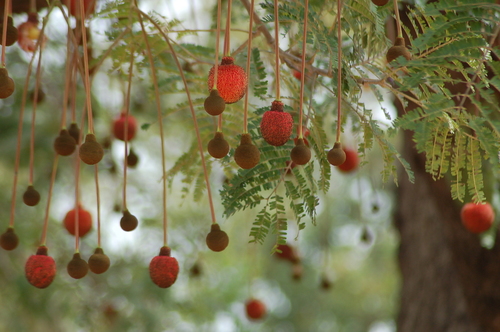
Parkia platycephala pods
منبع: Small Ruminant Research
Parkia platycephala pods in confined lamb diets: fatty acid profile, ruminal biohydrogenation, and meat quality
Author links open overlay panelAntonio Bruno Magalh�es Lima a, Michelle de Oliveira Maia Parente b, Glayciane Costa Gois a, Anderson de Moura Zanine a, Daniele de Jesus Ferreira a, Francisco Naysson de Sousa Santos a, Fleming Sena Campos a, Tobyas Maia de Albuquerque Mariz c, Gabrielle de Melo Oliveira a, Gisele Thamires Araujo da Silveira a, Danielle de Oliveira Maia a, Henrique Nunes Parente a
Show moreAdd to Mendeley
Share
Cite
https://doi.org/10.1016/j.smallrumres.2024.107310Get rights and content
Highlights
- •
Parkia platycephala pod (PP) has good levels of crude protein and phenolic compounds;
- •
Chemical composition of PP pod can modulate the fatty acid profile of lamb meat;
- •
PP pod replacing ground corn was tested in lamb diets;
- •
PP pod replacing ground corn in diets increases the C18:1t11 in ruminal digesta;
Abstract
This study was performed to evaluate the effects of replacing ground corn with Parkia platycephala pods (PPs) in lamb diets on the physicochemical characteristics of meat, the fatty acid profile in meat, and ruminal biohydrogenation (RBH). Twenty-eight castrated male lambs (20.05 � 0.44 kg, 120 � 10 days old) were distributed in a randomized block design constituting four treatments and seven replications. Four diets were formulated by replacing ground corn with PPs at increasing levels: 0% PPs and 100% ground corn (299.4 g/kg dry matter [DM]), 33% substitution of ground corn (199.5 g/kg DM) with PPs (100.3 g/kg DM), 66% substitution of ground corn (99.7 g/kg DM) with PPs (200.5 g/kg DM), and 100% PPs (300.6 g/kg DM) and 0% ground corn. The PPs resulted in a reduction in C18:1c9 intake; increased C12:0, C15:0, C18:1t9, C18:1t11, and C18:2n6; and reduced C18:0 in ruminal digesta, with a quadratic effect for C4:0 (P < 0.05). The RBH rate of C18:1c9 and C18:2n6 (P < 0.05) decreased as the PP levels in the diets increased. Regarding fatty acids in meat, there was a reduction in C16:1c9, C18:1c9, and cis-monounsaturated fatty acids and a quadratic effect for C14:1c9 and C18:2c9t11 (P < 0.05) as the PP levels in the diets increased. Levels of 66% and 100% PPs in the diets provided higher C18:2n6 in meat compared with the control diet (0% PPs) and the diet containing 33% PPs (P < 0.05). Under these experimental conditions, the replacement of corn with PPs in diets for lambs changed the fatty acid profile in the rumen digesta and lamb meat, promoting an increase in C18:1t11 in the rumen digesta. PPs can be used as an alternative ingredient in lamb feeding because they provide nutritional characteristics similar to those provided by corn.

اینجانب محمد ولی تکاسی تحصیلات ابتدائی و راهنمایی و متوسطه خود در رشته علوم تجربی را در شهرستان رامسر و تحصیلات کارشناسی در رشته دامپروری را در دانشگاه فردوسی مشهد-دانشکده کشاورزی (سالهای 65 تا69) و تحصیلات کارشناسی ارشد گرایش رشته فیزیولوژی دام را در دانشکده کشاورزی دانشگاه آزاد اسلامی -واحد کرج گذرانده ام. در حال حاضر با عنوان محقق پژوهشی در مرکز تحقیقات منابع طبیعی و امور دام به مدت 28 سال مشغول به خدمت می باشم . علاقمندان جهت کسب اطلاعات بیشتر در زمینه موضوعات مورد علاقه خود در این وبلاگ و تهیه جیره های غذایی دام، طیور و آبزیان و فرمولاسیون خوراک حیوانات خانگی(سگ، گربه، خرگوش، رَت و سنجاب) می توانند تماس بگیرند.
محمد ولی تکاسی
mwtokasi@yahoo.com
بخش تحقیقات علوم دامی
مرکز تحقیقات آموزش کشاورزی و منابع طبیعی استان کرمان
تلفن:3-03432112391
مستقیم 09366348680
انواع نژاد گوسفند Texel
تشویقی خانگی سگ و گربه
همایش کشاورزی و دام 1403
مقدار غذای روزانه سگ ها
PET FOOD NEWS
انواع نژاد اردک
جیره نویسی بر اساس امینواسیدها
راحتی و آسایش دام
آموزش WUFFDA
آرشیو پیوندهای روزانه
آموزش نرم افزارهای جیره نویسی
تغذیه اسب
صنعت خوراک دام-طیور و آبزیان
بیوگرافی مدیر وبلاگ(1390)
رفتار شناسی
فیزیولوژی
عمومی
آخرین اخبار علوم دامی
تغذیه نشخوارکنندگان
تغذیه طیور و شترمرغ
تغذیه حیوانات خانگی
تغذیه و فرآورده های دامی
شیر
ضایعات کشاورزی-شهری و صنعتی
دام بیوتکنولوژی
دام نانوتکنولوژی
ماشینهای دامپروری
مجلات و نشریات
مقالات انگلیسی
حیوانات وحشی و فرال
BCS در دامهای اهلی(گاو-گوسفند-بز و اسب)
slide player-mwtokasi
سلسله وبینارهای Animal FEED
پیک دامپرور(تجهیزات دامی)
whole-dog-journal
پایگاه بیوتکنولوژی
E-Dam
نرم افزارهای علوم دامی
پایگاه مروج کشاورزی
بازار علوفه
مجله علوم دامی ایران
مجله تحقیقات دام و طیور(بیرجند)
نانوفایل
گروه کشاورزی ایران فردا
من یک جوانه ام
پایگاه خبری علوم دامی و دامپزشکی
اطلس دامپزشکی
خبرنامه بیوتکنولوژی
وبلاگ صادرکنندگان روده
انواع دستگاه های جوجه کشی
پایگاه ارشد علوم دامی
43 مین کنگره رفتارشناسی حیوانات اهلی(استرالیا)
مجموعه مقالات سمپوزیوم تغذیه گاو شیری(فلوریدا)
دامپروری مدرن
تلاونگ
تهیه کتاب و سی دی در علوم دامی
GEN(biotechnology & Genetic
فارمیران
جستجوی گوگل
سایت سازمان سنجش
سایت مرکز تحقیقات کرمان
Dairy & animal science
پرورش اسب
نژاد اسب (بیشتر از 200)
نژادهای طیور
Dairy Alliance
میهن آگهی
بازار روز (دام و طیور به همراه طرحهای توجیهی)
تهیه ادوات کشاورزی و دامپروری
با نمک ها
سایت جانورشناسی
نژادهای دامی و حیوانات خانگی
ابزار رایگان وبلاگها و سایتها
همه چیز در باره خوراک دام ها و طیور
عکس های گاو
عکس
انجمن تغذیه دام-طیور و آبزیان استان کرمان
راهنمای سایت های مربوط به شترمرغ
دعوت به همکاری در تهیه وب سایت با نمکهای معدنی
کلونینگ(شبیه سازی و پیرامون آن)
PCR
